Paleo Hebrew vs. Proto-Sinaitic vs. Original Hebrew
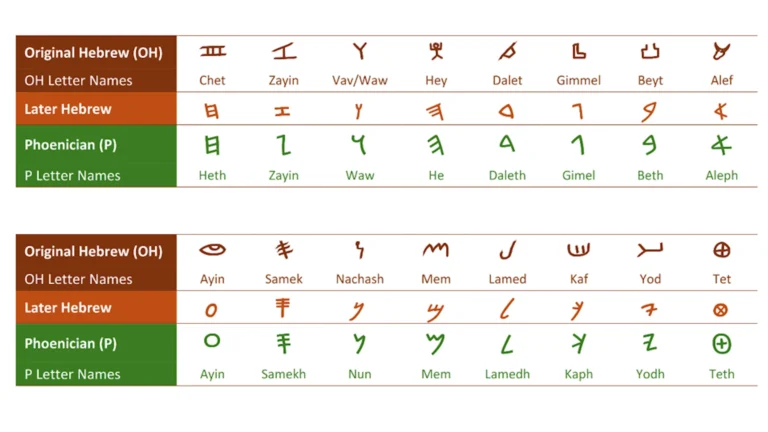
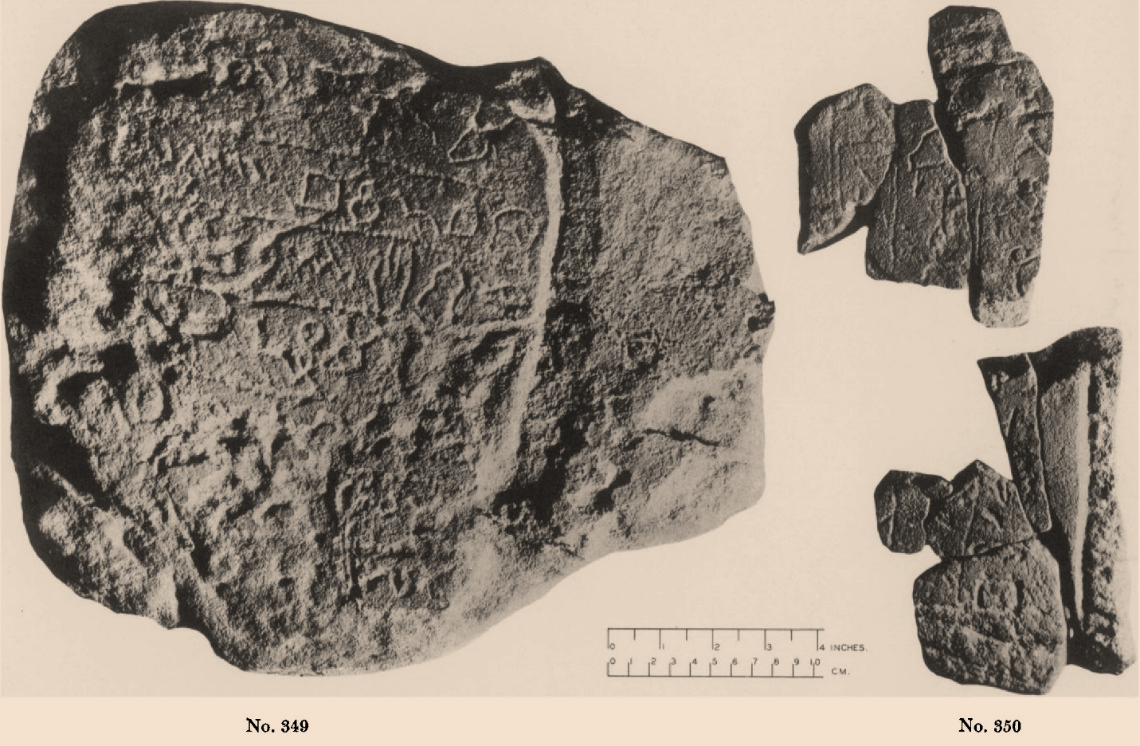
Proto-Sinaitic, Proto-Canaanite, and Early Alphabetic are terms used to describe the alphabet by people who, while they admit the alphabet is Semitic in origin, won’t say it’s Hebrew. We call the alphabet what it is: Original Hebrew. And, since the pictographic alphabet is the most ancient form of Hebrew, we also call it Paleo Hebrew (the word paleo means ancient).
We call the simplified form of the letters that came after the original pictographs Later Hebrew. Later Hebrew is the form of the alphabet that the Phoenicians shared with Greece and other nations around the 9th century BC.
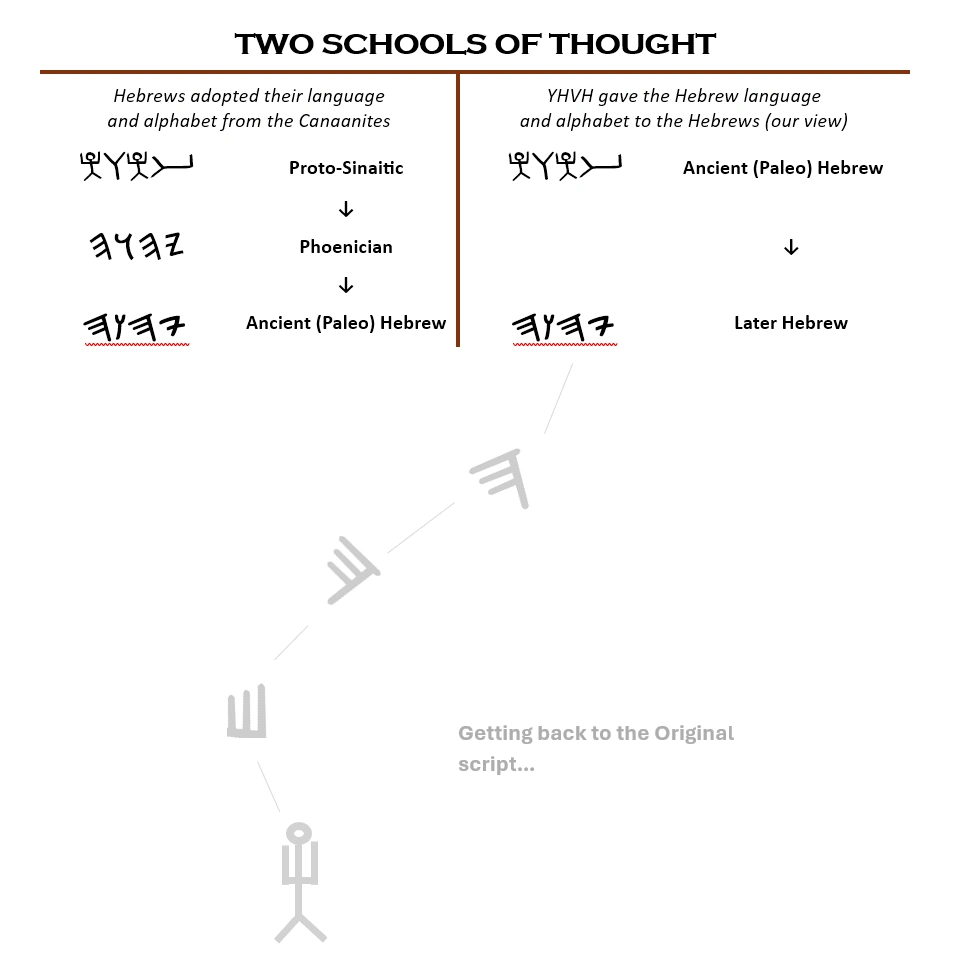
Many scholars refer to the later Hebrew script as Paleo Hebrew which causes some confusion.
We generally avoid arguments about terminology, but here’s the problem with calling the later simplified letters Paleo (Ancient) Hebrew:
There are a lot of scholars – secular and Christian – who don’t believe what the Bible says. For them, there was no single language before Babel, Moses didn’t really write the Torah, and the 15th century BC Israelites couldn’t read and write like the Bible says. Those scholars believe languages are a product of evolution and that the Hebrew language in particular did not even exist until centuries after Moses’ time. Israel, they say, learned their letters from the Phoenicians. So for these scholars, the most paleo (ancient) form of the Hebrew alphabet is the one that looks like the Phoenician Alphabet.
But, which letter is truly the most ancient: is it the bull itself or the simplified version of the bull? By all accounts, it’s the bull itself. So, we call the pictograph of the bull Original Hebrew and Paleo (Ancient) Hebrew and we call the simplified version Later Hebrew.
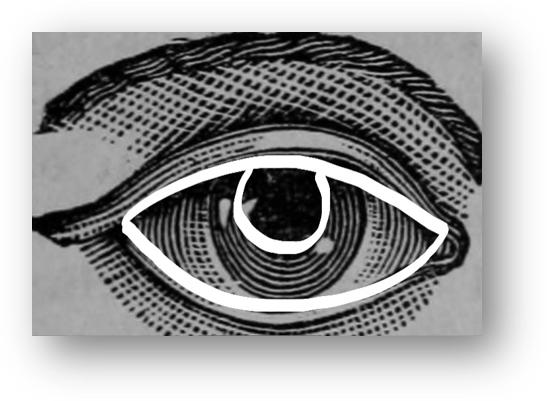
Many aren’t aware that the characters of what some call the Proto-Sinaitic script are Hebrew in nature, yet the majority of the names of the letters directly correspond to Biblical Hebrew words. As one example, one of the letters is named ayin (ע). Ayin is a Hebrew word that means eye, and the ancient alphabetic symbol for ayin was a picture of an eye.
Another example is the letter named resh (ר). In Hebrew resh means head, and the ancient alphabetic symbol for resh was a picture of a man’s head. As shown throughout this website, the names and symbols make perfect sense when you realize they’re Hebrew in origin.